Environmental impact
Keeping business waste out of landfill
We recycle as much as we can, recover energy from what’s left and help our customers waste less.
Or call North East 0191 410 9696 or Leeds 0113 200 8360
Our environmental impact
Less to landfill. More back into use.
Every load we collect is weighed and tracked to where it ends up. These totals update each month from our operational records.
Our own figures for November 2025 to October 2026
 99.4%
of the waste we manage diverted from landfill
 95,931
tonnes of business waste collected and managed
 43,553
tonnes of CO₂e saved compared with landfill (estimated)
 8,654
homes powered for a year by our energy from waste (estimated)
Where your waste goes
From your bin to its next life. Pick a step to see what happens at each stage.
- 1
Collected
- 2
Sorted
- 3
Recycled
- 4
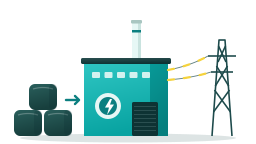
Recovered
Collected by our own crews
Our own trucks and crews collect from your site on the days that suit you, working out of our depots in Durham and Leeds.

Sorted at our recycling facility
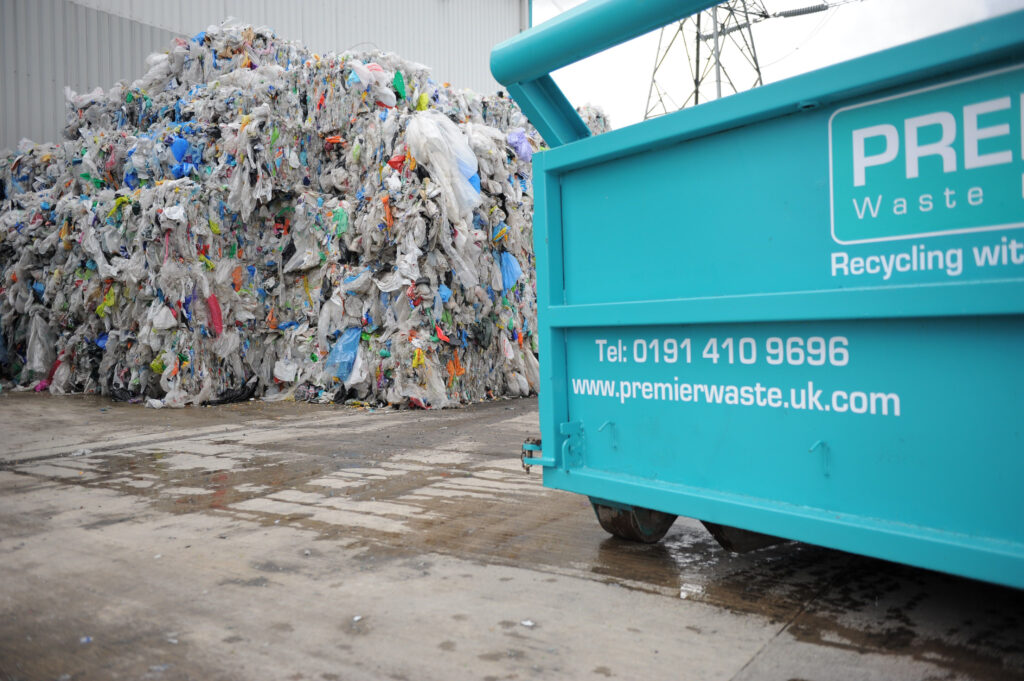
Mixed recycling is brought back and separated into cardboard, paper, plastics and metals, so you don't need to sort it on your site.
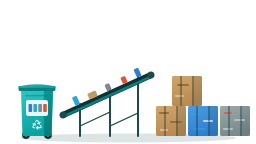
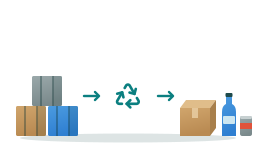
Recycled into something new
Scrap metal
Graded, then smelted down at a foundry
- Manhole covers
- Machinery parts
- Vehicle parts
Rubble and hardcore
Crushed, screened and refined into aggregates
- Sub-base for new roads
- Sand
- Soil
Glass bottles and jars
Crushed into cullet, then sorted by colour and quality
- New bottles and jars
- Construction aggregates
- Water filtration
Electricals
Tested at a specialist recycling centre, then repaired or stripped down
- Refurbished and reused
- Gold from circuit boards
- Steel, metals and plastics
Waste wood
Sorted, then chipped and shredded
- Chipboard
- Animal bedding
- Landscaping
- Biomass fuel
Green waste
7,896 t composted in the last 12 months
Shredded, then composted in large open-air heaps
- Compost
- Soil improver for farmland
- Mulch for parks and gardens
Recovered, not landfilled
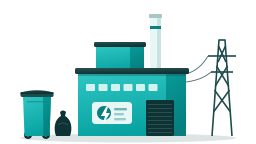
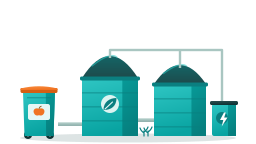
What can't be recycled becomes fuel for energy-from-waste plants, generating electricity and heat. Food waste goes to anaerobic digestion, making biogas and fertiliser.
How we calculate these figures
All figures are estimates. Totals cover the latest 12 months of published figures, or fewer while the data builds up. Tonnages come from our operational records and the recorded destination of each load. Environmental benefits use conversion factors drawn from UK Government greenhouse gas reporting factors, WRAP research and lifecycle studies, under Premier's Environmental Impact Methodology (PWR-EIMM v1.0). They are comparative indicators, not direct measurements. Homes figures assume 2,700 kWh of electricity per home a year. The end uses shown for each material are typical; exactly where a load goes depends on the material and the reprocessor it's sent to.
Helping you waste less
The greenest waste is the waste you don’t produce. Our team can help you streamline your waste, set targets and manage your recycling.
- Waste audits to see what you throw away
- Targets for recycling and reduction
- Ongoing monitoring and reporting
- Reduce, reuse and recycle programmes
Staying on the right side of the rules
Waste law can be complicated. These are the regulations our customers ask about most, and how we help.
Duty of Care
As a waste producer, you stay responsible for your waste until it’s properly dealt with. We make sure it only goes to licensed carriers and sites, with the paperwork to show it.
Simpler Recycling
Most businesses in England must now separate their recycling from general waste. We can set you up with the right bins.
Landfill restrictions
Some waste, such as liquids and whole tyres, can’t go to landfill at all. We have the right routes for these streams.
Pre-treatment
Waste must be treated before it goes to landfill, usually by recovering materials first. Our sorting and recycling takes care of this.
Landfill Tax
Every tonne sent to landfill is taxed. Recycling and recovering more of your waste keeps that cost down.
Hazardous waste
Hazardous waste must be kept separate and moved with a consignment note. We supply the right containers and complete the paperwork with you.
Need advice on your own obligations? Get in touch.
Keep more of your waste out of landfill
Tell us what you throw away and we’ll recommend the right bins and schedule. No obligation.
Or call North East 0191 410 9696 or Leeds 0113 200 8360